
Published 2026-04-02 · Updated 2026-08-18
From Dating Apps to Real Life: Building Connection Beyond the Feed in 2026
How to move from swipe culture toward in-person connection: profiles, pacing, and offline social life—with context from coaches like Blaine Anderson and Julie Spira, plus when a couples attachment lens helps after you commit.
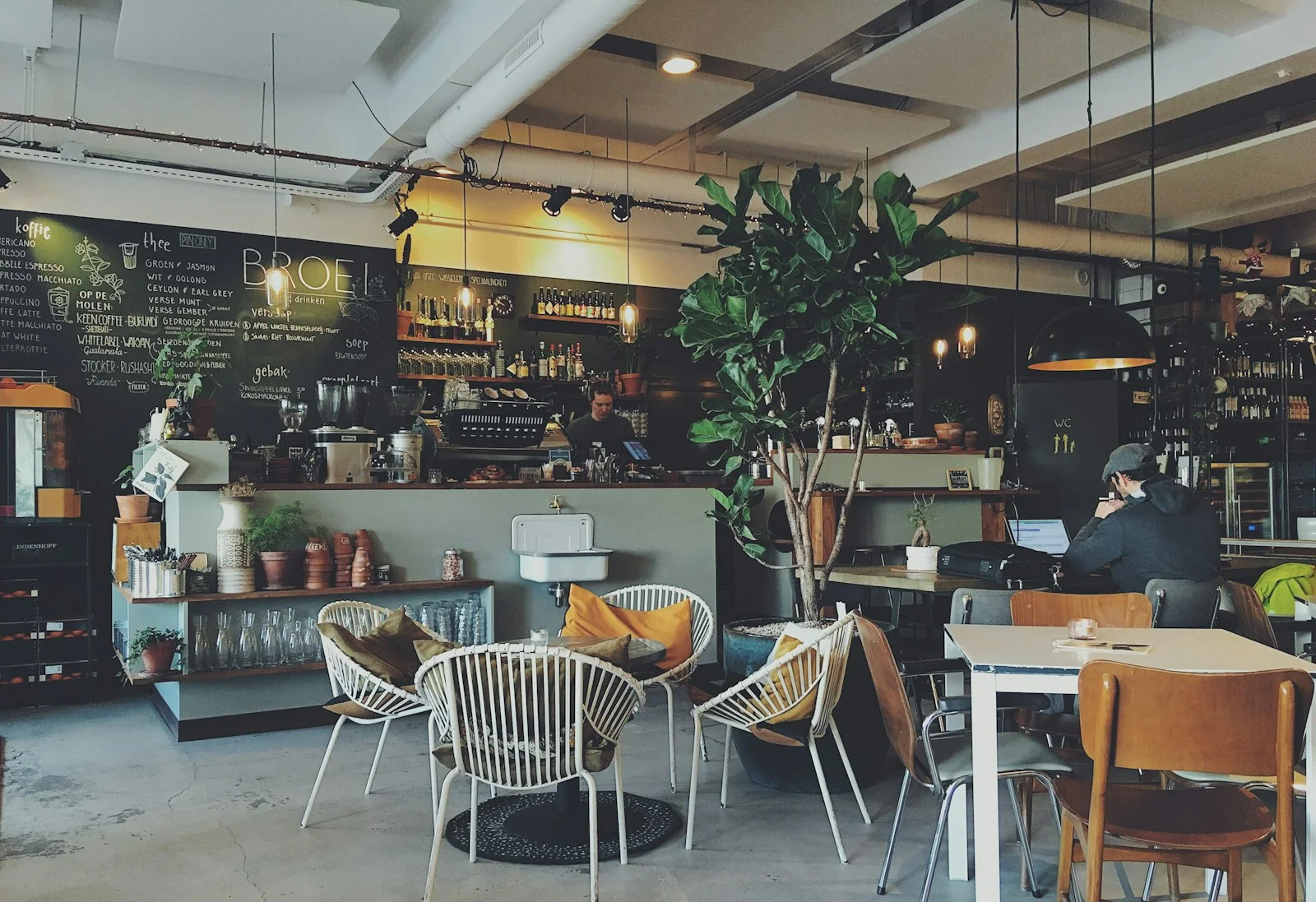
Apps are a front door, not the house. In 2026, the healthiest pattern for many singles is hybrid: use digital tools to widen the pool, then deliberately engineer in-person contact before stories and fantasies grow too large in text. The goal is not moralizing against screens—it is reducing the gap between who someone is on a profile and who they are across a table. Real life reveals pacing, manners, and character in ways no bio can.
Why staying app-trapped backfires
Long chat phases create parasocial bonds—you feel close to a persona, not a person. Delayed meetups let ambiguity thrive; intermittent messaging keeps hope on life support without investment. Many people report fatigue not because dating is hopeless, but because they have lived months in threads that never become plans. Moving to IRL is not a reward for perfect banter; it is the minimum viable test of fit.
If swipe culture has drained you, start with dating app burnout and intentional pacing before you rebuild your funnel.
What public-facing coaches emphasize
Blaine Anderson’s work is often associated with helping men navigate online dating: stronger profiles, clearer messaging, and moving from chat to coffee without endless loops. Julie Spira, widely known as a cyber-dating expert, has long written about profile strategy and digital-first courtship. Both names sit in the “optimize the funnel” world—useful if you still use apps, as long as you remember optimization is not the same as intimacy. HalfWay cites them as cultural reference points, not as endorsed partners.
Moving from chat to a real plan also takes decisive follow-through—something Mel Robbins’s public work on confidence and habit change is often associated with in mainstream self-help (illustrative only; not dating-specific advice). The through-line across these voices: reduce friction between interest and action.

Practices that pull you toward IRL
Treat “we should hang sometime” as incomplete until a calendar event exists. Specificity is kindness: day, time, place, duration. Public first meetings reduce pressure for everyone.
- Time-box app usage; schedule real plans before you build a parasocial bond in DMs.
- Propose a concrete first meet within a week of steady mutual interest—or pause the thread.
- Choose repeatable in-person contexts: classes, volunteering, sports, faith communities, friends-of-friends dinners.
- Favor voice or video once mutual interest exists—text alone misreads tone.
- Keep first dates short and low-stakes; length is not proof of seriousness.
- If someone evades planning repeatedly, treat that as data, not a puzzle.
Profiles that convert to plans
Profiles optimized only for likes can attract attention without fit. Include signals that start conversations and filter mismatches: what you actually do on weekends, what relationship direction you want, one vivid detail that sounds like you. In messages, move from banter to plan within a reasonable window. “This cafe near X—Thursday at six?” beats two weeks of jokes with no anchor.
Offline life as a parallel channel
Apps work best alongside a life where you already meet humans. Repeatable contexts beat random bar nights for many people—you see the same faces, shared interests do half the icebreaking, and attraction grows with familiarity. Host small dinners, say yes to friends’ plus-ones, join a league or studio class. Hybrid dating means you are not one algorithm away from loneliness.
Introverts can still engineer IRL—choose structured activities with natural endpoints, pair a coffee with a walk so silence is less loaded, and recover afterward without shame. Extroverts may need the opposite guardrail: fewer simultaneous threads, more follow-through on one promising plan.
Safety and comfort in first meets
Public places, your own transportation, and telling a friend where you are going are baseline habits—not paranoia. If someone pressures you to go private early, resists video before a long drive, or mocks reasonable precautions, treat that as character data. IRL dating should feel incrementally safer as trust builds, not incrementally riskier.
Video calls before cross-town trips filter catfishing and misaligned expectations cheaply. Five minutes live can save five hours of story-building in chat.
From first date to defined relationship
IRL chemistry without reliability is still incomplete. Character shows up in small acts: showing on time, communicating delays, splitting or offering fairly, listening without performing. When mutual interest is clear and you are behaving like partners, exclusivity deserves a conversation—not assumption.
For timing and scripts on that talk, see the DTR conversation in 2026.
When you meet someone worth keeping
The transition from dating to partnership is where attachment patterns show up under stress—not just chemistry on date three. Travel, family visits, illness, and money are character tests. Shared language helps before conflict templates harden.
HalfWay measures attachment tendencies so couples understand defaults when stress hits—pursuit, withdrawal, reassurance needs—without using labels as weapons.
Learn how it works: How It Works. Ready to go deeper together? See for couples and create your couple profile.
You may also like early dating texting anxiety, clear-coding and authenticity, and boundaries and character over sparks.