
Published 2026-04-05 · Updated 2026-08-18
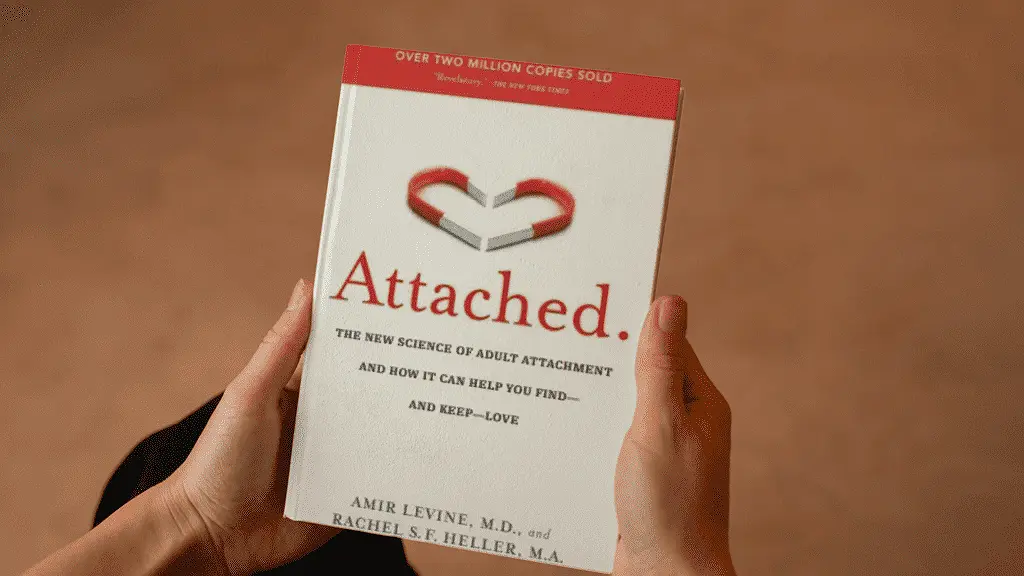
Attached by Amir Levine and Rachel Heller: The Book, the Authors, and Attachment Theory
An overview of Attached (2010): co-authors Dr. Amir Levine and Rachel Heller, the three attachment styles, the dependency paradox, sales and TikTok-era impact, praise, criticisms, and how it relates to modern attachment-informed tools.

Attached: The New Science of Adult Attachment and How It Can Help You Find—and Keep—Love is one of the best-known popular introductions to adult attachment in romantic relationships. First published in 2010, it translates research into plain language and three memorable categories. This article summarizes who wrote it, what it argues, how it spread (including a major revival years later), where critics push back, and how to use the ideas responsibly alongside science-grounded assessment.
What Attached is
The book’s aim is practical: help readers recognize their own tendencies and their partner’s, reduce unnecessary conflict, and choose healthier dynamics. It is not a substitute for therapy when you need clinical care—but it has become a shared reference point for millions of readers and many therapists introducing attachment concepts in session.
The authors
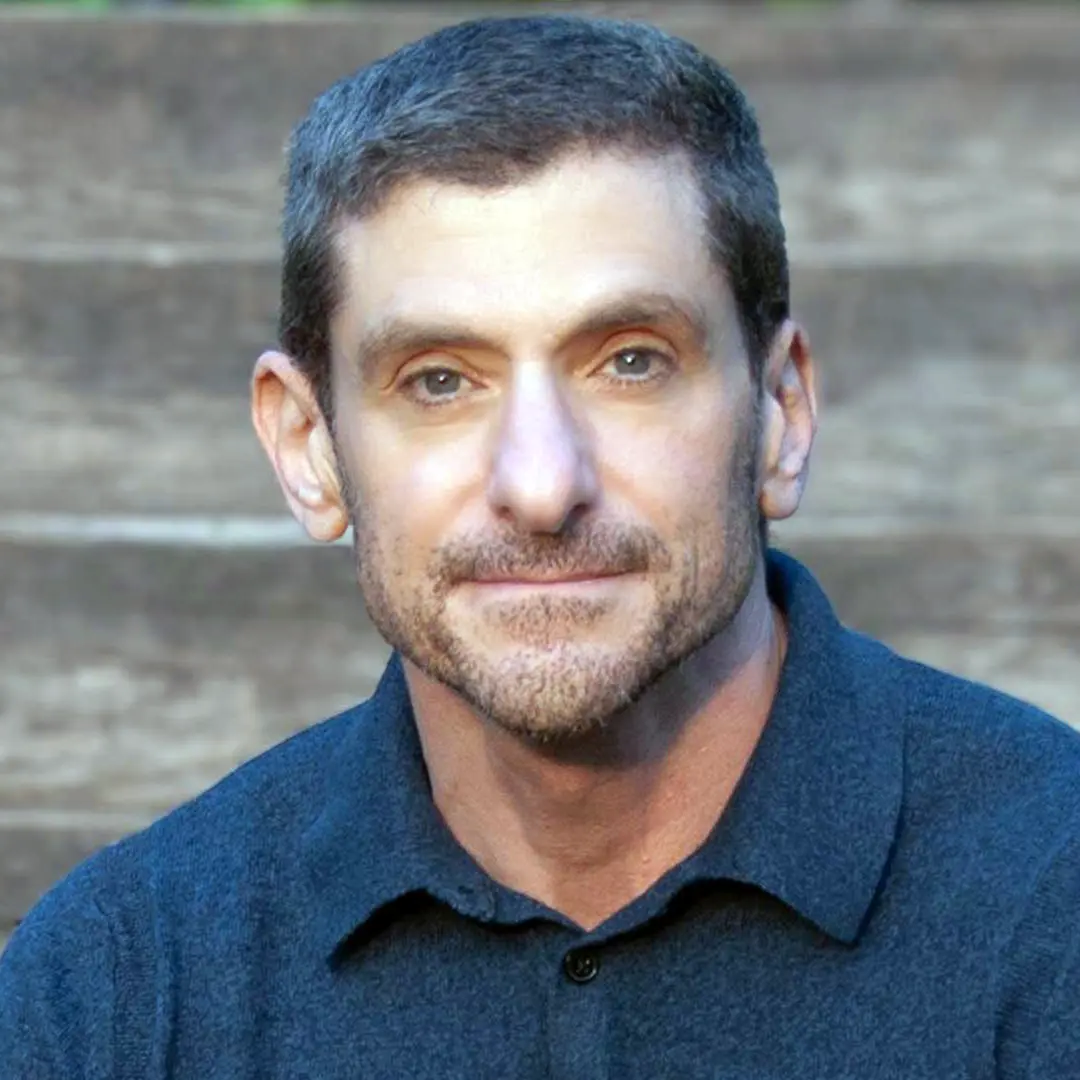
Dr. Amir Levine
Dr. Amir Levine is a psychiatrist and neuroscientist. He has been described as an associate professor of clinical psychiatry at Columbia University and a principal investigator on NIH-sponsored research. After residency, he pursued molecular neuroscience; his work in that space has been discussed in connection with Nobel laureate Eric Kandel’s mentorship and with potential applications in psychiatry. HalfWay summarizes public biographical material only and does not endorse any third-party book or program.
Rachel Heller
Rachel Heller is a psychologist with a master’s in social-organizational psychology from Columbia. Before focusing on psychology practice, she worked as a corporate consultant for large firms. She has lived in Israel and worked with couples and families in private practice.

How the book came together
The origin story, as often told in interviews and publisher material, is personal: once Levine grasped how far attachment science could reach into everyday love lives, he reportedly called a longtime friend—Heller—to help turn dense studies into guidelines ordinary readers could use. That collaboration shaped the book’s accessible tone.
What the book argues
Attached centers on a familiar attachment claim: patterns formed in early caregiving relationships show up again in adult romance—often in automatic, emotionally loaded ways. The book presents three dominant styles for readers:
- Anxious — often vigilant about the bond; sensitive to distance; may seek reassurance intensely when uncertain.
- Avoidant — discomfort with too much closeness or reliance; may equate intimacy with a loss of independence and pull back.
- Secure — generally at ease with intimacy and dependence when appropriate; tends toward repair and consistency.
The authors also highlight the “dependency paradox”: effective reliance on a trustworthy partner can support autonomy and exploration—not the opposite. That framing pushed against a self-help culture that sometimes over-idealized total emotional self-sufficiency.
Reception and sales: a slow burn, then a surge
Attached did not follow a typical overnight bestseller arc. It built gradually, then saw renewed interest—widely reported in the early 2020s—including a pandemic-era bump when many people re-evaluated relationships. Publisher and trade sources have cited multi-million copy sales and dozens of translations; exact figures vary by outlet and year, so treat headline numbers as approximate.
Major outlets have noted the book’s unusual longevity—still widely discussed more than a decade after publication—as evidence of how hungry readers are for frameworks for love and anxiety.
Why threat and uncertainty can amplify attachment themes
In public commentary, Levine has tied attachment science to periods of heightened threat: when danger feels elevated, many people orient more toward closeness, rupture, and repair in relationships. Readers can connect that idea to the pandemic era without treating any single event as the whole explanation for book sales. Levine has also discussed large-scale stressors in broad cultural interviews; interpret those as author perspective, not as HalfWay’s scientific position.
TikTok, Instagram, and the double-edged sword of labels
Attachment language escaped the book and became a staple of short-form video and memes—helpful when it educates, harmful when it flattens people into villains. Some therapists have described clients using “avoidant” as a dismissal button rather than a map for empathy. Levine has publicly said he would stress more empathy for avoidant patterns if he were writing again, and he has compared styles to differences in how people relate—not a neat health-versus-illness binary.
Creative work inspired by attachment ideas—such as widely shared visual series referencing the book—also shows how culture remixes science for art and identity. Enjoy the creativity; keep the ethics: people are more than a label.
What reviewers and peers have said
Trade reviewers have praised Attached as readable and research-informed. Blurbs from relationship researchers and popular authors have emphasized usefulness for both new relationships and long marriages. Reception is broadly positive, though professional readers still debate how much simplification is acceptable in a mass-market book.
Criticisms worth taking seriously
- Dimensional reality: many people blend anxious and avoidant features or shift by partner and life stage—three buckets can oversimplify.
- Cultural scope: much of the advice assumes Western, middle-class dating defaults; cross-cultural readers may need adapted framing.
- Pairings: some readers note gaps—for example, less discussion of two anxious partners together compared with other combinations.
Legacy—and how HalfWay fits
Attached remains a gateway drug to attachment ideas for the general public. Its core gift is normalization: wanting connection and reassurance is human, not weak. Rigorous measurement still matters when you want numbers and language you can revisit together—that is where structured assessments help.
Dig deeper on theory and styles on our attachment theory and attachment styles pages. For ECR-R–style measurement context, see our ECR-R overview.
For deeper dives on specific patterns, see our guides on anxious attachment, dismissive-avoidant attachment, and love languages vs. attachment styles.
Expert commentary on attachment and relationships also appears in our Peterson, Robbins & Hussey feature.
Ready to map your bond as a couple? Start with for couples and create a couple profile.